5 Benefits of Hypochlorous Acid Spray for Healthy Skin
If your skin constantly breaks out after workouts, feels irritated, or reacts to almost every product you try, you’re not alone.
Most skincare products either over-dry, strip, or overwhelm your skin barrier.
This is where hypochlorous acid (HOCl) stands out.
It’s a molecule naturally produced by your immune system to fight bacteria and calm inflammation, and when formulated correctly, it can help reset your skin without irritation.
In this guide, we break down the real, science-backed benefits of hypochlorous acid spray and how to use it for clearer, calmer and healthier skin.
Quick summary
-
Antibacterial action: HOCl mimics immune oxidants to rapidly reduce acne‑causing microbes on the skin surface without the drying effects of many chemical antibacterials.
-
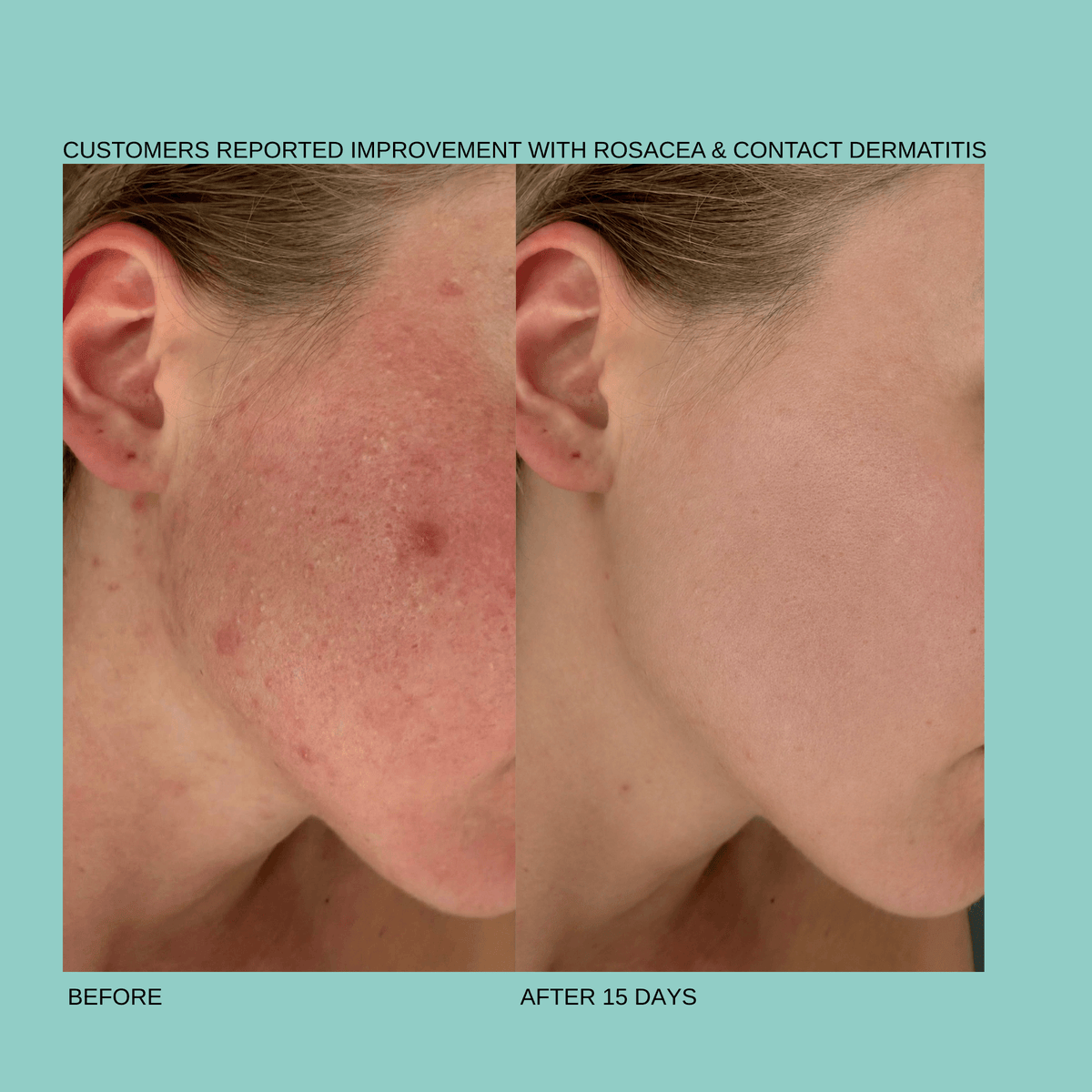
Calms inflammation: Low‑concentration HOCl lowers inflammatory signalling and visible redness, helping flare‑ups settle faster with good tolerability in sensitive skin.
-
Barrier support: pH‑balanced formulations around 5.5 preserve skin acidity and hydration, supporting barrier repair and a healthier surface microbiome.
-
Safe post‑procedure care: Fragrance‑free, gentle mists are suitable after microneedling or superficial peels to reduce surface microbes and soothe heat; confirm with your clinician after deeper procedures.
- Use and selection: Look for ideal ppm products (about 0.01% to 0.02%, roughly 100 to 200 ppm), begin with 1 to 3 spritzes on clean skin, monitor response, and combine with other actives only if tolerated

Antibacterial action: how hypochlorous acid spray targets acne‑causing microbes
HOCl acts quickly on the skin surface to reduce bacteria that can drive breakouts. As a mild oxidant, it disrupts bacterial membranes and denatures microbial proteins, producing a fast reduction in surface microbial load without the drying profile seen with many topical antibacterials. Because its activity is mainly superficial, an HOCl facial mist can lower bacterial burden before you apply serums or topical prescriptions. Laboratory and clinical research support these rapid antimicrobial effects and their role in surface decontamination in published studies.
Clinical trials report acne lesion reductions comparable to benzoyl peroxide with fewer irritant side effects. Most benefits appear over weeks rather than hours, so treat HOCl as a well‑tolerated adjunct rather than a replacement for established acne regimens. For acne‑prone skin, apply the mist after cleansing and before layering potent actives; start with once or twice daily, let the spray dry before incorporating other skincare products into your routine. For practical tips on using HOCl specifically for breakouts and post‑exercise concerns, see our guide on Hypochlorous Acid for Acne & Post-Workout Breakouts
Anti‑inflammatory and calming: reducing redness and flare‑ups

HOCl lowers inflammatory signalling and removes microbial triggers that perpetuate redness. Small human studies and experimental models show reductions in inflammatory markers and faster visible calming after topical HOCl application, and many people notice an immediate cooling sensation from an ultra‑fine mist. Because a properly pH‑balanced spray does not strip moisture, it can suit reactive skin types.
Evidence is strongest in atopic dermatitis, where randomised trials of acidic electrolysed water containing HOCl documented reductions in eczema severity scores and in Staphylococcus aureus counts within days. Dermatology literature describes HOCl's combined effect of limiting bacterial colonisation and reducing the immune overactivity that drives flare‑ups; see clinical randomised data supporting HOCl in eczema management in this review.
Barrier support and hydration: pH‑balanced formulations and microbiome‑friendly action

Safe post‑procedure care: gentle support after microneedling and peels

Convenience and versatility: multiuse benefits for daily life

How to choose, use and troubleshoot hypochlorous acid spray

HOCl overview. A patch test before regular use can reduce the chance of an unexpected reaction.
Why hypochlorous acid spray belongs in your routine

Frequently Asked Questions
Is hypochlorous acid good for acne?
Yes. Hypochlorous acid helps reduce acne-causing bacteria on the skin surface while also calming inflammation and visible redness. This makes it a gentle option for people with acne-prone or sensitive skin.
Can I use hypochlorous acid every day?
Yes. Hypochlorous acid is generally gentle enough for daily use and can usually be used once or twice a day depending on your skin’s needs and tolerance.
Does hypochlorous acid dry out skin?
No. Unlike many traditional acne treatments, hypochlorous acid does not usually strip the skin or disrupt the barrier when it is properly formulated and pH-balanced.
Can I use hypochlorous acid with other skincare products?
Yes. It can usually be layered with serums and moisturisers. It is best to let the mist dry first before applying other products, and to be cautious when combining it with strong actives until your skin has adjusted.
Is hypochlorous acid safe for sensitive skin?
Yes. Hypochlorous acid is widely considered suitable for sensitive, reactive, and post-procedure skin because it is gentle, non-irritating, and typically free from fragrance and harsh additives.