How to Get Rid of Redness on the Face Instantly
Facial redness can appear out of nowhere.
One minute your skin looks normal, and the next it’s flushed, inflamed, tight, or burning. Whether it’s triggered by stress, rosacea, acne, workouts, weather, or skincare products, redness can feel urgent and embarrassing.
If you’re searching for how to get rid of redness on the face instantly, you likely want faster relief without making things worse.
Let’s break down:
-
Why does facial redness happen
-
What works instantly
-
What to avoid during a flare
-
How to prevent redness long-term
-
The role of hypochlorous acid in calming inflamed skin
Why Does Facial Redness Happen?

Redness is usually a sign of inflammation.
When your skin barrier becomes compromised or irritated, blood vessels dilate (expand), increasing visible redness.
Common triggers include:
-
Rosacea
-
Acne inflammation
-
Over-exfoliation
-
Harsh active ingredients
-
Heat and sweat
-
Emotional stress
-
Weather changes
-
Alcohol
-
Fragrance-heavy skincare
If you have sensitive or reactive skin, your barrier may overreact to even small triggers.
The key to calming redness quickly isn’t attacking it.
It’s stabilising it.
How to Get Rid of Redness on the Face Instantly
Here are safe, fast-acting ways to reduce visible redness without worsening irritation.
1. Cool (Not Ice) Compress
Cold helps constrict blood vessels, temporarily reducing redness.
How to do it safely:
-
Use a clean, soft cloth
-
Soak in cool (not ice-cold) water
-
Hold gently against skin for 1–2 minutes
-
Avoid rubbing
Ice directly on skin can damage capillaries and worsen redness long-term.
Cooling is helpful, but gentle cooling is better.
2. Remove Heat Triggers Immediately
If redness is heat-induced:
-
Move to a cool environment
-
Avoid hot showers
-
Stop intense exercise
-
Avoid hot beverages temporarily
Heat increases vasodilation (blood flow to the skin), which intensifies redness.
3. Stop All Active Ingredients
If your face is red:
Do NOT apply:
-
Retinol
-
AHAs or BHAs
-
Benzoyl peroxide
-
Vitamin C (if skin is compromised)
-
Exfoliating toners
Inflamed skin does not need correction.
It needs calming.
4. Use a Gentle Anti-Inflammatory Mist
This is where hypochlorous acid becomes powerful.
Hypochlorous acid (HOCl) is naturally produced by your immune system to help regulate inflammation and defend against bacteria.
Topically, it can:
-
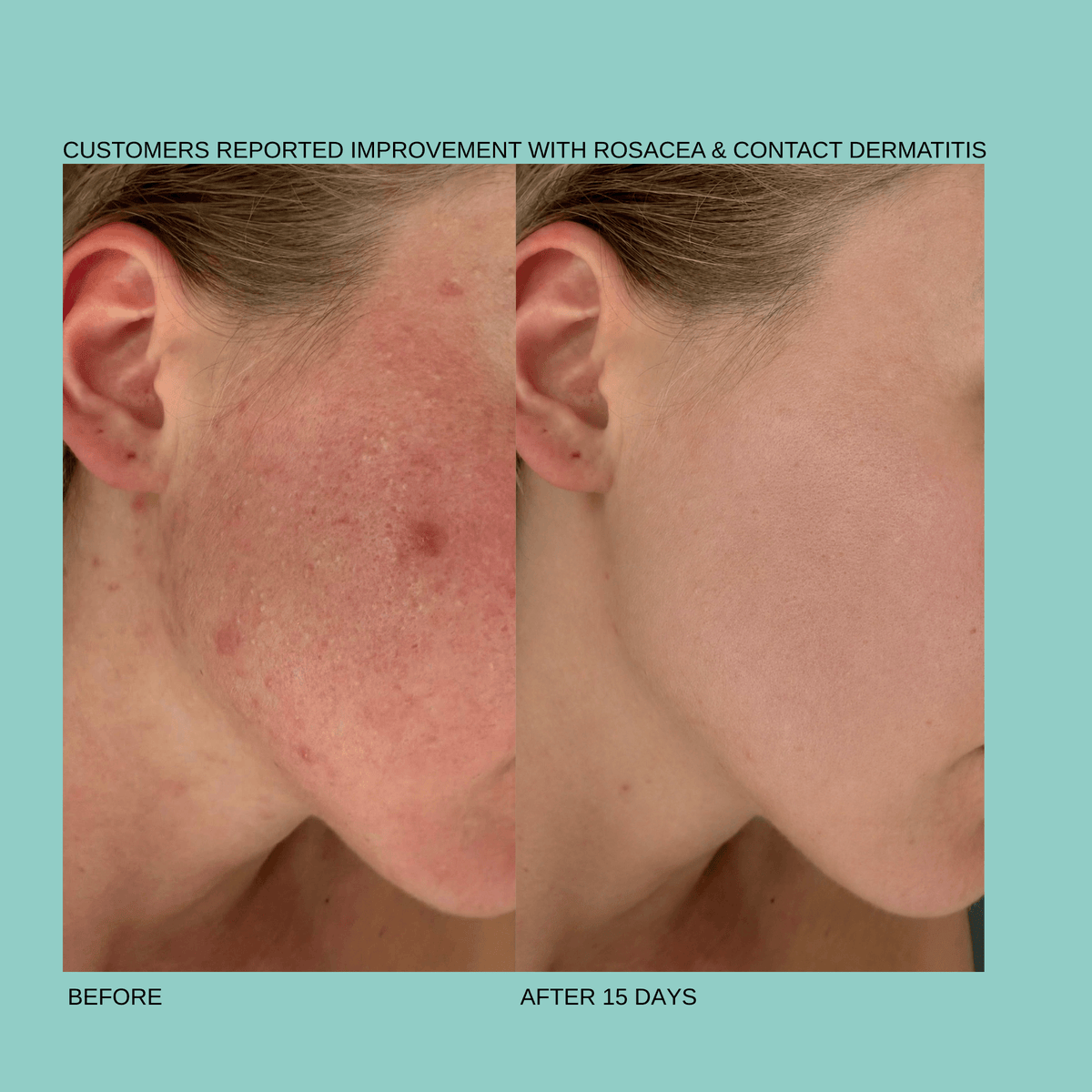
Help calm visible redness
-
Support inflamed skin
-
Reduce irritation
-
Help interrupt flare spirals
A properly formulated hypochlorous mist can provide near-instant comfort.
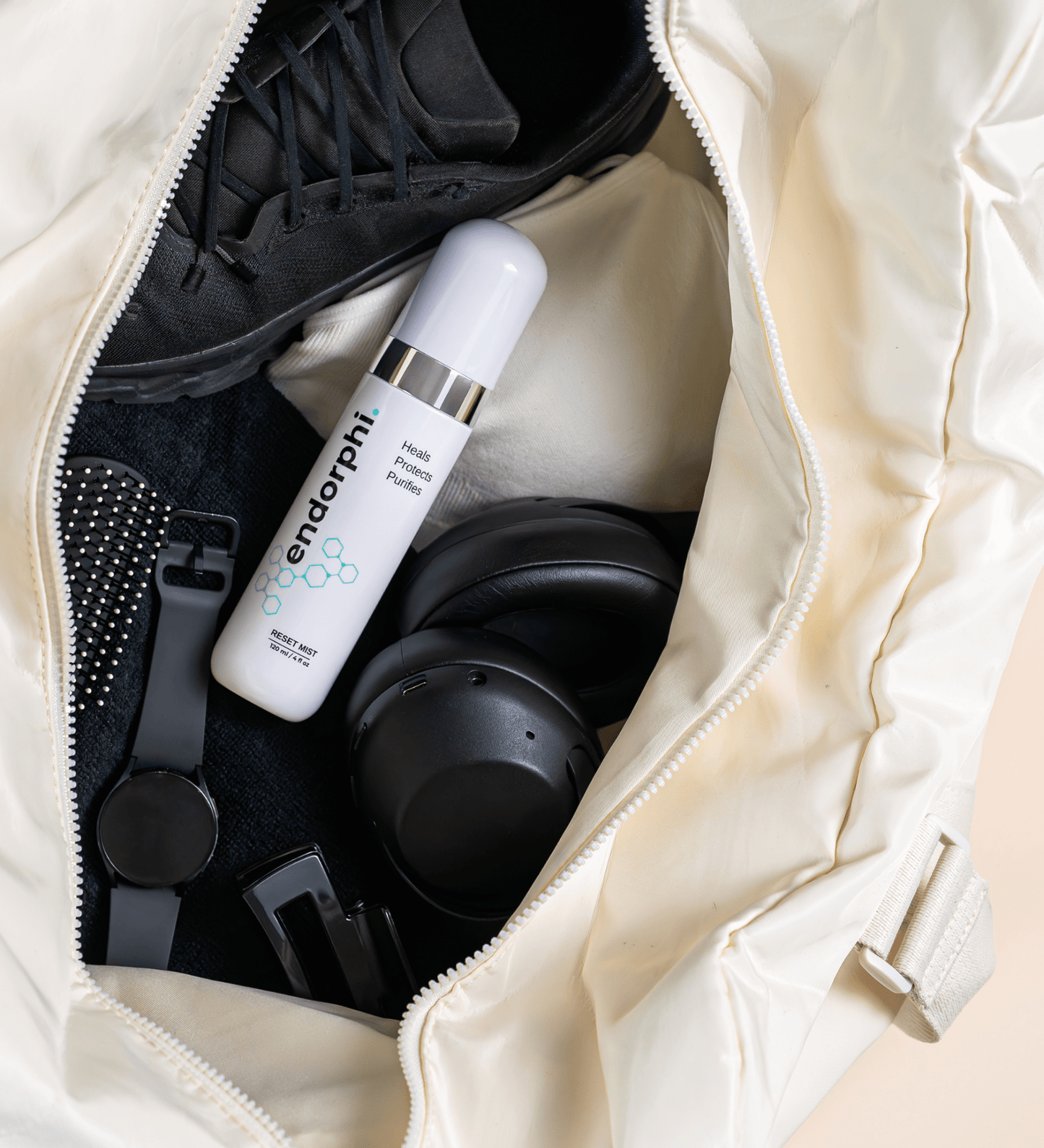
Endorphi Reset Mist is designed specifically for reactive skin and is formulated with stabilised hypochlorous acid at a skin-friendly pH of 5.5.
Why pH matters:
If hypochlorous is not balanced correctly, it can become drying or destabilised. A skin-matching pH supports barrier integrity instead of disrupting it.
Many people use Endorphi Reset Mist:
-
At the first sign of redness
-
After workouts
-
After cleansing
-
During rosacea flares
-
Post-treatment
-
When skin feels overheated
Because it’s lightweight and non-irritating, it can be used multiple times a day.
The goal isn’t to “cover” redness.
It’s to calm the inflammation underneath.
5. Apply a Barrier-Supporting Moisturiser
After calming the skin, lock in hydration with:
-
Ceramides
-
Glycerin
-
Panthenol
-
Minimal ingredients
Avoid heavy occlusives if you’re acne-prone.
Barrier support reduces redness recurrence.
How to Reduce Redness Fast from Rosacea
If you experience rosacea-related redness:
-
Avoid spicy foods during flares
-
Avoid alcohol
-
Avoid heat exposure
-
Use anti-inflammatory, barrier-safe products
-
Avoid over-cleansing
Hypochlorous acid can be especially useful for rosacea-prone skin because it supports inflammation control without harsh actives.
Always consult a dermatologist for persistent or worsening rosacea.
How to Get Rid of Redness After a Workout

Post-workout redness is common, but it shouldn’t linger excessively.
What to do:
-
Cool down gradually
-
Avoid hot showers immediately
-
Gently cleanse
-
Apply a calming mist like Endorphi Reset Mist
-
Follow with a light barrier moisturiser
Sweat + heat + friction are common breakout and redness triggers.
Prevention is more effective than correction.
Natural Remedies for Redness (With Caution)
Some natural approaches may help mild redness:
-
Colloidal oatmeal
-
Aloe vera (patch test first)
-
Green tea compress
However, natural does not always mean non-irritating.
Reactive skin often responds better to simplified, controlled formulations.
What Makes Redness Worse (Avoid These)
If your skin is red, avoid:
-
Over-exfoliating
-
Over-cleansing
-
Switching products frequently
-
Trying multiple “quick fixes” at once
-
Fragrance-heavy skincare
-
Alcohol-based toners
The biggest mistake people make is escalating treatment.
Inflamed skin needs de-escalation.
Long-Term Strategy: Preventing Redness Before It Starts

Instant relief is important.
But long-term control requires stability.
Focus on:
-
Barrier-first skincare
-
Minimal actives
-
Consistent routine
-
Identifying triggers
-
Anti-inflammatory support
Using a calming reset product daily, not just during flare-ups, can help reduce frequency and intensity of redness episodes.
Many reactive skin users incorporate a hypochlorous mist like Endorphi Reset Mist as a daily “insurance layer” to maintain balance.
Think of it as a reset, not a treatment.
When to See a Dermatologist
If redness is:
-
Persistent
-
Painful
-
Spreading
-
Accompanied by swelling or pus
-
Not improving
Seek medical evaluation.
Redness can sometimes indicate:
-
Rosacea
-
Contact dermatitis
-
Fungal infections
-
Perioral dermatitis
-
Lupus (rare)
Proper diagnosis matters.
Final Thoughts: Calm First, Correct Later
If you’re trying to get rid of redness instantly, remember:
The fastest relief comes from calming inflammation, not attacking it.
Cool gently.
Simplify your routine.
Use barrier-safe products.
Avoid aggressive actives
Support your skin’s natural pH.
For reactive, flare-prone skin, a stabilised hypochlorous mist like Endorphi Reset Mist can provide quick calming support without the risk of further irritation.
Redness isn’t a sign you need stronger skincare.
It’s a sign your skin needs stability.
Frequently Asked Questions
How do I calm redness in 5 minutes?
To quickly calm redness, move to a cool environment, avoid heat, and discontinue use of active ingredients such as retinol or exfoliating acids. Apply a gentle anti-inflammatory product such as a stabilized hypochlorous acid mist to help visibly reduce redness. Cooling the skin and supporting the barrier can help calm inflammation within minutes.
What ingredient reduces redness fast?
Ingredients that help reduce redness quickly include hypochlorous acid, niacinamide, colloidal oatmeal, and panthenol. Hypochlorous acid is especially effective because it helps support inflammation control while being gentle enough for sensitive and reactive skin.
Does hypochlorous acid help with redness?
Yes, hypochlorous acid can help reduce visible redness by supporting the skin’s natural inflammatory response and calming irritation. When properly formulated at a skin-friendly pH, it is suitable for sensitive, acne-prone, and rosacea-prone skin.
Why is my face red but not itchy?
Facial redness without itching is often caused by inflammation, rosacea, heat exposure, over-exfoliation, or a compromised skin barrier. It does not always indicate an allergic reaction. Identifying triggers and simplifying your skincare routine can help restore balance.
Can I use hypochlorous acid daily?
Yes, hypochlorous acid can typically be used daily and even multiple times per day when formulated correctly. It is generally well tolerated by sensitive and reactive skin and can be used after cleansing, post-workout, or during flare-ups.